
What Is Roofing PPC — and Why Most Campaigns Leave Money on the Roof
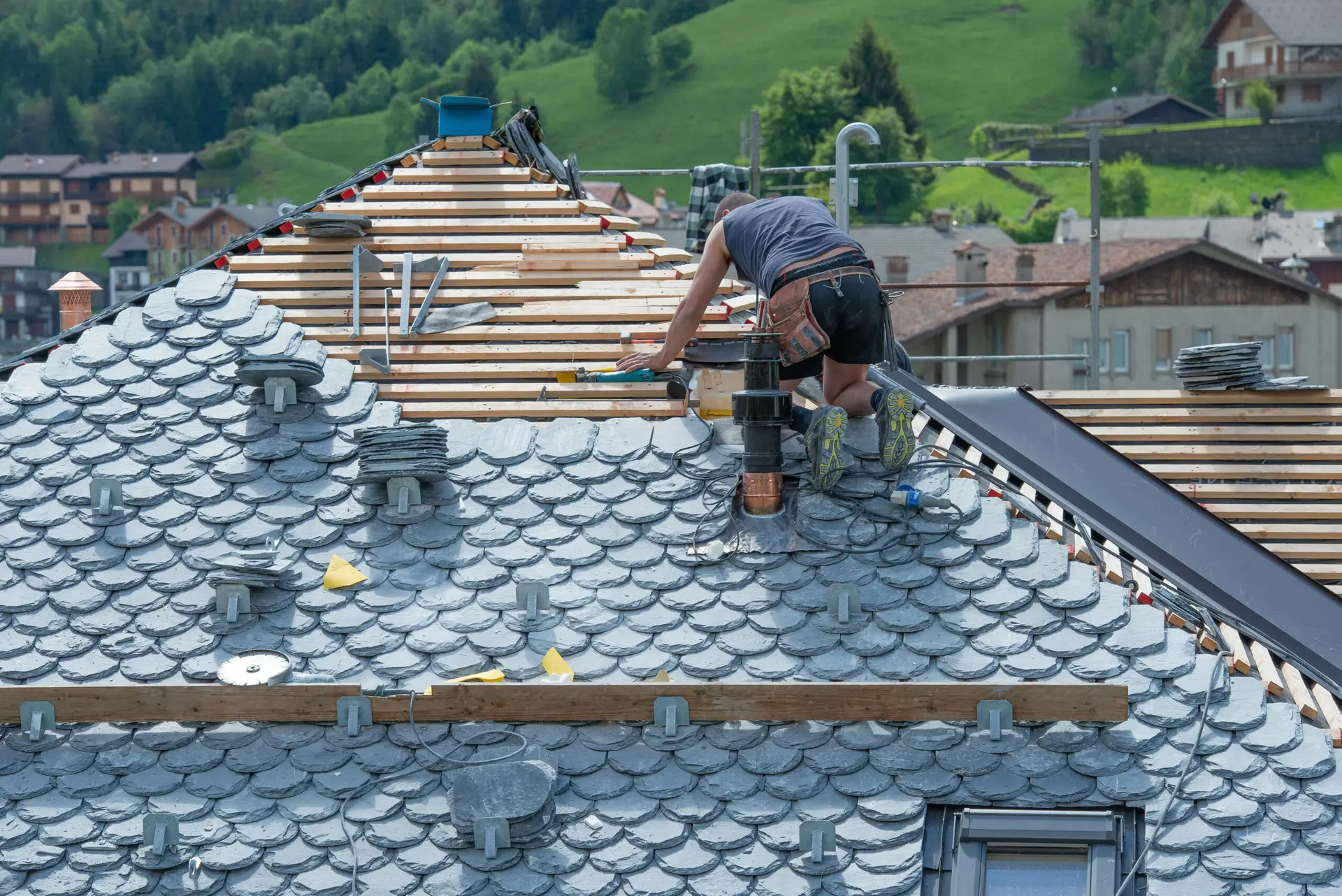
Roofing PPC — pay-per-click advertising for roofing companies — is the process of running paid search campaigns on Google and related platforms so your business appears at the top of search results when homeowners and property managers search for roofing services. You pay only when someone clicks. Unlike organic SEO, roofing PPC produces calls the day the campaign launches — and for a trade where a single job can be worth $8,000–$25,000, a single booked replacement from a well-structured campaign can pay for weeks of ad spend.
Roofing Google Ads and Google Local Services Ads for roofing companies are the two primary paid channels. Traditional Google Ads appear in sponsored positions above organic results — you bid on keywords, write ad copy specific to the roofing search, and pay per click. Google local service ads for roofing appear above standard PPC ads with a Google Screened badge and charge per lead rather than per click. Roofing companies running both simultaneously capture more paid real estate above organic results than any single-channel approach.
Roofing PPC has one structural complication that most roofing PPC agencies have never thought through: roofing demand is not a single market. Storm-driven emergency demand, planned residential replacement, and commercial roofing contracts are three buyer types with completely different search behaviors, different keyword universes, different conversion timelines, and different landing page requirements.
A roofing PPC campaign built for storm damage response will waste budget on replacement shoppers. A campaign built for planned replacement will miss the homeowner searching "roof damage after storm" who needs a call returned today. Most roofing PPC company campaigns treat all three as the same customer — and that's precisely where the budget disappears.
The structural problems that drain roofing PPC ROI are consistent across every campaign we audit:
- Roofing PPC keyword architecture ignores demand type: "Roof repair near me," "roof replacement cost," and "commercial roofing contractor" are searched by three completely different buyers with different urgency levels, different decision timelines, and different job values. Mixing them into one campaign produces landing pages that convert none of them well and bid strategies that treat a $450 repair call the same as a $20,000 replacement estimate.
- Storm surge bidding requires real-time response that most roofer PPC agencies never set up: When a hail storm or hurricane hits a market, roofing search volume spikes 300–500% within hours. Roofing companies without storm surge bid multipliers, weather-triggered campaign budgets, and pre-built storm damage landing pages watch that demand go to whoever was prepared. Storm events are the highest-volume, highest-urgency windows in roofing — and most campaigns treat Wednesday after a hailstorm the same as a random Tuesday in October.
- Insurance claim keywords are the highest-converting, most underbuilt category in roofing PPC: "Insurance claim roof replacement," "roof damage insurance claim help," and "hail damage roof insurance" target homeowners who have already decided to replace the roof — they're just looking for a contractor to work with their insurer. These keywords have lower competition than generic "roof replacement" terms in most markets and convert at significantly higher rates because the customer's financial obstacle has been removed.
- Roofing PPC without call tracking to booked estimates is measuring the wrong thing: Clicks don't sign contracts. Most roofing PPC marketing reports show cost-per-click and impression share. We track cost-per-estimate-appointment, cost-per-signed-contract, and revenue-per-campaign — because a roofing PPC campaign spending $5,000/month that produced three replacement contracts at $15,000 each generated $45,000 in revenue. That's the math that matters.
At SEO For Home Service, our roofing PPC services are built around the three distinct demand types that drive roofing revenue — storm-driven repair and replacement, planned residential replacement, and commercial roofing contracts. We manage PPC for roofing companies as a trade-specific discipline with storm surge protocols, insurance claim keyword strategies, and seasonal replacement demand calendars that no generalist roofing PPC agency has ever thought to build.
ZIP code exclusivity on every plan. One roofing company per territory. No long-term contracts after 90-day onboarding.
The Three Roofing PPC Demand Categories — and Why Each Needs Its Own Campaign
Roofing PPC is not a single-audience channel. Every roofing search on Google reflects a different buyer, a different urgency level, and a different job value. The roofing PPC agency that builds one campaign for all three is leaving the highest-value customers on the table while burning budget on the lowest-converting ones.
Storm Damage & Insurance Claim
- Roof damage after storm [city]
- Hail damage roof repair near me
- Emergency roof repair [metro]
- Insurance claim roof replacement
- Roof leak repair near me
- Storm damage roofer [city]
- Hail damage roof insurance claim
Conversion behavior: High urgency, fast decision. Customer may have insurance covering the job. Calling within hours of the storm. Competition spikes with demand — bid management is critical.
CPC: $12–$38 | Close rate: 55–75%Residential Replacement & Renovation
- Roof replacement cost [city]
- Roofing contractor near me
- New roof installation [metro]
- Best roofing company [city]
- Roof replacement estimate near me
- Asphalt shingle replacement [city]
- Metal roofing installation [metro]
Conversion behavior: 1–4 week research window. Getting 2–3 estimates. Cost transparency and reviews matter. Will compare companies before committing. Average job value $8,000–$22,000.
CPC: $8–$28 | Avg. job value: $8,000–$22,000Commercial & Multi-Family Roofing
- Commercial roofing contractor [city]
- Commercial roof replacement [metro]
- Flat roof repair contractor near me
- Commercial roofing company [state]
- TPO roofing installation [city]
- Multi-family roofing contractor
- Commercial roof inspection near me
Conversion behavior: B2B buyer — property manager, facility manager, or building owner. Multi-week evaluation. Requires capability documentation and formal proposal path. Average contract $25,000–$150,000+.
CPC: $10–$32 | Avg. contract: $25,000–$150,000+Roofing PPC: The Short Version for the Roofer With a Crew to Deploy
You're running a roofing operation. Here's the compressed version — jump to whatever matters most and come back for the depth when your crew is off the roof.
⏭ Jump to: The Three Demand Types
Storm damage, planned replacement, and commercial roofing — why each needs its own campaign, keywords, and landing page.
⏭ Jump to: What We Manage
Campaign architecture, storm surge protocols, insurance claim keywords, landing pages, call tracking, and LSA management.
⏭ Jump to: PPC vs. SEO for Roofers
When paid search wins, when organic wins, and why coordinating both with one agency produces the best economics.
⏭ Jump to: Pricing
Management fee tiers across Foundation, Momentum, and Authority — plus ad spend guidance for your market size.
⏭ Jump to: What Results Look Like
Timeline from launch to mature campaign, cost-per-estimate benchmarks, and the ROI math on a single signed replacement contract.
⏭ Jump to: Free Roofing PPC Audit
We'll review your current campaign structure, wasted spend, storm surge readiness, and insurance claim keyword gaps.
What Our Roofing PPC Services Actually Include
PPC management for roofing companies is not the same as PPC management for any other contractor. Storm surge protocols, insurance claim keyword strategies, and seasonal replacement demand windows require roofing-specific campaign architecture that generic agencies have never built.
1. Roofing PPC Campaign Architecture
Every roofing PPC campaign we build starts with demand-type separation — three structurally independent roofer PPC campaigns targeting storm damage, planned replacement, and commercial roofing, each with its own keyword architecture, bid logic, and conversion path.
- Storm damage campaign — emergency repair, hail damage, insurance claim, and leak keywords
- Planned replacement campaign — cost guides, material-specific terms, brand and review research keywords
- Commercial roofing campaign — flat roof, TPO, facility manager, and property management keywords
- Tightly themed ad groups — 8–15 keywords per group, no broad intent mixing
- Local variants — city, suburb, county, and ZIP-level targeting for each campaign type
- Negative keyword library — 250+ exclusions covering DIY, supply, licensing, and non-buyer queries
A roofing PPC structure where every dollar targets homeowners and property managers with genuine roofing buying intent — not people watching YouTube roof repair tutorials, pricing roofing nails, or applying for contractor licenses.
2. Storm Surge Bid Management
Storm events are the highest-value windows in roofing PPC — and the most commonly mismanaged. When hail, hurricanes, or wind events hit your market, search volume spikes within hours. The roofing companies with pre-configured storm surge protocols capture this demand. Those without it watch competitors collect the calls.
- Storm trigger protocol — pre-built campaign budget increases activated within hours of major weather events
- Storm-specific ad copy library — hail damage, wind damage, emergency repair messaging ready to deploy
- Dedicated storm damage landing pages — insurance claim process, same-day inspection, no-cost assessment
- Geographic bid multipliers — concentrated coverage in storm-affected ZIP codes during surge windows
- Post-storm campaign wind-down — systematic budget rebalancing as acute demand normalizes
- Seasonal preparation — surge protocols reviewed and updated before hurricane and hail seasons
When a hailstorm moves through your market at 6 PM on a Tuesday, your roofing PPC campaign responds with storm-specific ads, elevated bids, and dedicated landing pages before most competitors have even logged into their Google Ads account to make manual adjustments.
3. Insurance Claim Keyword Strategy
Insurance claim roofing keywords are the most underbuilt, highest-converting category in roofing PPC marketing. Homeowners searching insurance claim terms have already decided to replace their roof — they're looking for a contractor experienced in navigating the claims process. The financial objection is largely removed. Close rates on insurance claim roofing leads are 20–30 percentage points higher than standard replacement searches in most markets.
- "Insurance claim roof replacement [city]" — homeowner ready to replace, needs claim guidance
- "Hail damage roof insurance claim" — post-storm, insurance-covered replacement decision
- "Roof insurance claim help near me" — homeowner unfamiliar with claims process seeking guidance
- "Does insurance cover roof replacement" — research-phase homeowner with high replacement intent
- Dedicated landing page covering the insurance claims process, what's covered, and free inspection offer
- Adjuster liaison messaging — positioning the company as a claims process partner, not just a contractor
Capture the highest-close-rate roofing lead category — insurance claim replacements where the homeowner has already committed to the project and the financial barrier has been substantially removed by their insurer.
4. Planned Replacement Campaign Management
Planned residential replacement is the highest-volume, most competitive roofing PPC category — and the one where campaign structure and landing page quality determine whether your cost-per-estimate is sustainable or not. The replacement shopper is comparing three estimates. Your paid presence needs to be present across their entire research journey.
- Cost guide keywords — "roof replacement cost [city]," "how much does a new roof cost" — capturing pre-estimate research
- Material-specific terms — asphalt shingles, metal roofing, tile roofing, architectural shingles
- Comparison keywords — "best roofing company [city]," "top rated roofers near me"
- Financing keywords — "roof replacement financing," "no money down roof replacement"
- Landing pages with cost transparency, financing options, local reviews, and estimate request CTA
- Retargeting campaigns — re-engaging replacement shoppers who visited but didn't convert
Consistent estimate appointment volume from planned replacement shoppers — capturing them at the top of their research funnel with cost guide content and converting them at the bottom with financing options and trust signals that make your company the obvious choice before they call anyone else.
5. Google Local Services Ads for Roofing Companies
Google local services ads for roofing companies appear above standard roofing Google Ads with a Google Screened badge — and for emergency repair and storm damage searches, they generate calls at significantly lower cost per lead than traditional search ads. Roofer Google Local Services Ads are managed as a complement to traditional roofing PPC, coordinated for maximum paid coverage at the top of results.
- Roofing LSA profile setup — all applicable service categories, license verification, insurance documentation
- Google Screened badge acquisition — background check and licensing verification process management
- Review strategy aligned with LSA ranking factors — volume and recency drive LSA position
- Invalid lead dispute management — recovering credit for non-roofing contacts and spam calls
- Budget allocation between roofer local service ads and Google Ads for roofing campaigns based on cost-per-lead comparison
- Storm surge LSA protocol — coordinated budget increases across both LSA and traditional PPC
Combined LSA and traditional roofing Google Ads presence captures multiple paid positions above organic results — with the Google Screened badge providing the trust signal that closes the homeowner who is comparing two companies with similar reviews and pricing.
6. Commercial Roofing PPC Campaigns
Commercial roofing PPC is a completely separate discipline from residential — and most roofing PPC companies have never built a genuine commercial campaign. The commercial roofing buyer is a property manager, facility director, or building owner making a procurement decision that may involve multiple stakeholder approvals, a formal bid process, and a contract worth $25,000–$150,000+.
- Dedicated commercial roofing campaign — flat roof, TPO, EPDM, commercial repair keywords
- Property management targeting — facility manager, property manager, commercial building owner searches
- B2B landing page with capability documentation, project portfolio, insurance certificates, and formal bid request form
- Commercial inspection offer — low-commitment entry point for long-cycle commercial decisions
- Retargeting for commercial prospects — re-engaging property managers across their multi-week evaluation
- Multi-location commercial targeting — reaching facility management companies with multiple properties
Commercial roofing contract inquiries from property managers and facility directors who use organic search almost exclusively to identify and vet roofing contractors — captured by PPC for roofing contractors built with genuine B2B conversion architecture, not a residential booking widget.
7. Call Tracking & Revenue Attribution
Roofing PPC ROI is not measured in clicks or even calls — it's measured in estimate appointments, signed contracts, and contract value attributed to paid campaigns. We build the tracking infrastructure that connects every Google search to a booked estimate and, where CRM integration allows, to a signed contract and revenue figure.
- Dynamic call tracking — unique phone numbers per campaign, ad group, and keyword
- Call recording with quality scoring — distinguishing signed estimates from tire-kickers, wrong numbers, and material suppliers
- Form submission tracking with source attribution to keyword and campaign level
- Estimate appointment tagging — tracking which calls convert to actual estimate appointments
- Contract revenue attribution — connecting signed jobs back to the specific PPC keyword that sourced the lead
- Monthly ROI dashboard — cost-per-estimate, cost-per-signed-contract, and revenue-per-campaign in one view
Full visibility into which roofing PPC keywords, campaigns, and demand types are producing signed contracts — with the data to confidently increase budget on what's working and eliminate spend on what isn't, backed by revenue numbers rather than click counts.
8. Seasonal Demand Calendar & Budget Management
Roofing demand has pronounced seasonal patterns that flat-budget campaigns ignore — and exploiting those patterns proactively rather than reactively is one of the highest-leverage moves in roofing PPC management. The roofer who increases replacement campaign budget in February — capturing the homeowners planning spring replacements — outperforms the roofer who waits until April when competition has already peaked.
- Seasonal budget calendar — pre-planned spending increases ahead of spring replacement surge, post-storm windows, and fall insurance filing deadlines
- Pre-storm preparation — storm damage campaigns and landing pages reviewed and updated before hurricane and hail seasons
- Winter slow-season strategy — commercial roofing and interior leak repair keywords that maintain call volume in off-peak months
- Spring replacement ramp — replacement campaign budget increases in February–March ahead of peak demand
- Post-storm playbook — documented response protocol for activating surge bidding within hours of weather events
A roofing PPC campaign that proactively captures demand before competition peaks — spending ahead of each demand window rather than reactively chasing it after every other roofer in the market has already activated their campaigns.
Roofing PPC vs. SEO: When Each Channel Wins and Why the Best Roofers Run Both
The question isn't which channel is better — it's which channel to prioritize at which stage and how to coordinate both for the best economics. Roofing PPC fills the pipeline while roofing SEO builds the long-term asset.
When Roofing PPC Wins — Storm Events and Right Now
Roofing PPC is the only digital channel that captures storm damage demand in real time — the same day a hailstorm moves through your market, while organic rankings sit exactly where they were yesterday. Roofing Google Ads can be updated, bids increased, and storm-specific landing pages activated within hours of a weather event. No organic strategy can respond on that timeline.
For new or growing roofing companies that haven't built organic rankings yet, roofing PPC fills the calendar immediately while SEO develops over the following 6–12 months. The economics on a single signed replacement contract from a paid lead justify the investment before the first month is over.
When Roofing SEO Wins — Year-Round Compounding Volume
Every organic ranking your roofing SEO campaign earns produces leads indefinitely without per-click cost. A roofing company ranking on page 1 for "roof replacement [city]" in month 12 generates the same calls in month 36 without additional spend — and those rankings compound with every piece of content added, every review earned, and every backlink acquired.
SEO also builds the Map Pack presence and Google Business Profile authority that roofing PPC cannot replicate — and Map Pack visibility is where the majority of planned replacement research begins for local homeowners.
Why Storm Demand Requires PPC No Matter How Strong Your SEO Is
Even a roofing company with dominant organic rankings cannot capture storm surge demand through SEO alone. When a hailstorm hits a market, the search terms shift to "storm damage roof repair [city]" and "hail damage roof insurance claim" — highly specific, high-urgency queries that don't match the planned replacement content an organic campaign is built around.
Roofing PPC with a pre-built storm surge protocol captures this demand in hours. Organic content targeting storm-specific terms takes weeks to index and rank — by which time the demand window has closed and competitors have already signed those contracts.
The Coordinated Advantage of One Agency Managing Both
When separate agencies manage your roofing PPC and roofing SEO, the data that makes both channels more efficient stays siloed. The PPC agency doesn't know which organic rankings are reducing your paid cost-per-click. The SEO agency doesn't know which paid keywords are producing signed contracts.
When we manage both, roofing company PPC marketing data informs organic content priorities — we invest in rankings for terms already proven to produce estimates and contracts. As organic authority matures on replacement terms, paid budget reallocates toward storm damage and commercial categories where organic is harder to build. The channels become progressively more efficient the longer they run together.
The Roofer Running Only Roofing PPC
A roofing company running only paid search has a cost structure that never improves. Every signed contract costs roughly the same in year three as it did in year one. There's no compounding, no brand authority building, no asset accumulation. When ad spend pauses — for budget reasons, seasonality, or any other cause — the pipeline empties immediately.
More critically, the 35–45% of high-intent roofing searches that occur in organic results and the Map Pack are entirely invisible to a PPC-only strategy. Those leads go to whoever built the organic presence they haven't.
The Roofer Running Only SEO
Roofing SEO is a compounding long-term asset — but it cannot respond to the demand created by a hailstorm that hit your market this afternoon. Storm events create concentrated, high-urgency search volume that roofing PPC is uniquely positioned to capture. A roofing company relying exclusively on organic rankings leaves every storm surge window — the highest-value, highest-urgency demand window in roofing — to competitors running paid campaigns.
SEO also takes 6–12 months to produce meaningful replacement lead volume. Running roofing PPC alongside SEO fills the calendar during that development period and provides the keyword performance data that accelerates organic content decisions.
What Roofing PPC Results Actually Look Like — and When to Expect Them
Roofing PPC results don't look like click reports. They look like estimate appointments booked, contracts signed, and revenue attributed to specific campaigns and keywords. Here is what a properly structured roofing PPC campaign produces at each stage — and the revenue math that determines whether it's worth running.
Campaigns Live, Baseline Data Collection
Storm damage, planned replacement, and commercial campaigns are live within 48–72 hours of onboarding. Insurance claim keyword campaigns launch simultaneously. Initial estimate calls begin in most markets within the first week.
The first 30 days establish performance baselines — which demand types are generating estimate appointments at acceptable cost, which keywords are producing low-quality clicks, and which ad copy angles are resonating. Storm surge protocols are configured and tested. LSA profile verification is completed.
Waste Reduction and Conversion Rate Improvement
Negative keyword cleanup eliminates the supply, DIY, and licensing searches that inflate click counts without producing estimate calls. Bid schedules are refined around actual demand patterns in your specific market. Landing page conversion rates are A/B tested — particularly on the planned replacement pages where small copy changes can meaningfully shift estimate appointment rates.
By day 90, most roofing PPC campaigns have achieved stable, positive ROI on storm damage and planned replacement categories. Commercial roofing campaigns take longer due to the multi-week evaluation cycle of B2B buyers.
Quality Score Gains and Seasonal Calibration
Quality Score improvements from high click-through rates and relevant landing pages begin reducing cost-per-click without reducing visibility. The seasonal demand calendar activates — spring replacement budget increases are deployed ahead of peak demand, not reactively. The first storm surge events test the protocol established during onboarding.
Commercial roofing campaigns begin producing property manager inquiries as the B2B evaluation cycle completes for leads generated in months one and two.
Predictable Volume Across All Demand Types
A mature roofing PPC campaign has predictable estimate appointment volume across storm, replacement, and commercial categories — with a seasonal overlay the team can plan crew capacity around. Storm surge protocols activate and deactivate efficiently. Cost-per-signed-contract is stable and improving.
This is the point where PPC and SEO data share meaningful overlap — organic rankings maturing on replacement terms allow paid budget to shift toward storm damage and commercial categories where organic is harder to build, lowering blended cost-per-contract across both channels.
One Signed Replacement Contract Covers Months of Ad Spend
A roofing PPC campaign spending $3,000/month in ad spend that generates 8–12 estimate appointments per month — at an industry-average 35% close rate — produces 3–4 signed replacement contracts at $12,000–$18,000 average value. That's $36,000–$72,000 in monthly revenue from $3,000 in ad spend.
Even at conservative close rates and average job values, the ROI math on roofing PPC is among the strongest in home services. The question is never whether the economics work — it's whether the campaign structure is capturing the right demand at the right cost.
A Single Storm Event Can Produce a Month of Revenue in a Week
A significant hail or wind event in your market creates concentrated high-intent search demand that can last 2–4 weeks. A roofing PPC campaign with storm surge protocols activated — increased budgets, storm-specific ad copy, insurance claim landing pages — can produce 20–40 estimate appointments in the two weeks following a major event.
At $8,000 average storm damage job value and a 40% close rate, that's 8–16 signed jobs worth $64,000–$128,000 from a two-week paid campaign spike. Roofers without storm surge protocols watch this window close while scrambling to manually update their campaigns.
Why Roofing Companies Choose SEO For Home Service as Their Roofing PPC Agency
Home Service Contractors Are All We Work With
Most roofing PPC agencies are general digital marketing companies that added a roofing vertical to their service menu — the same agency running campaigns for dentists, e-commerce stores, and law firms. They have never built a storm surge bid protocol. They've never thought about the difference between a homeowner searching the day after a hailstorm and a homeowner budgeting a planned spring replacement. They've never built a commercial roofing B2B conversion page that speaks to a facilities manager rather than a homeowner. They build roofing PPC campaigns the same way they build every other campaign.
We work exclusively with home service contractors. Roofing company PPC is one of our core disciplines — and we've built the specific campaign infrastructure that roofing's unique demand structure requires. Whether you need a roofer PPC agency for storm season preparedness, a commercial roofing Google Ads strategy, or a full roofing PPC management program coordinated with organic SEO, we build it around how a roofing business actually makes money.
At SEO For Home Service, we work exclusively with home service contractors — plumbers, HVAC companies, electricians, landscapers, pest control operators, and cleaning companies.
Roofing isn't a vertical we stumbled into. It's a trade we've built specific systems for — the three-demand-type campaign architecture, the storm surge protocol, the insurance claim keyword strategy, and the commercial roofing B2B conversion infrastructure that generic agencies have never conceived of building.
We know that storm events are the highest-value windows in roofing PPC — and that pre-configured storm surge protocols, storm-specific ad copy libraries, and dedicated insurance claim landing pages separate the roofing companies that capture those windows from the ones watching competitors collect the calls.
We know that insurance claim roofing keywords are the highest-converting, most underbuilt category in PPC for roofing contractors — and that the homeowner searching "insurance claim roof replacement" has already committed to the project in a way that the homeowner researching "roof replacement cost" has not.
We know that commercial roofing PPC requires B2B landing page architecture, capability documentation, and a proposal request form — not a residential booking widget — and that most commercial roofing keyword clusters have thin competition in most U.S. markets because most roofing companies have never built a genuine commercial paid campaign.
We know that roofing pay per click and roofing SEO produce better results together than either produces independently — and that the keyword conversion data from paid campaigns is the most reliable intelligence available for organic content investment decisions.
That knowledge is built into every campaign we structure, every storm surge protocol we configure, and every landing page we build.
ZIP Code Exclusivity — One Roofing Company Per Territory
When we take on your roofing company, your direct competitor can't hire us for the same ZIP codes. Your campaign structure, your storm surge protocols, your insurance claim keyword strategy, and your landing page architecture stay entirely yours.
Our ZIP Code Exclusivity isn't a marketing claim. It's an ethics commitment. We cannot ethically run roofing PPC for two competing roofing companies in the same market — one will get the high-converting keywords and the other won't, or they'll simply outbid each other and we'll be literally pitting our own campaigns against each other. We refuse to operate that way. One dominant roofing PPC client per territory is better than two marginal ones fighting over the same high-intent keywords.
Read our full ZIP code exclusivity promise to understand exactly how this works and why we hold it as a non-negotiable.
No Long-Term Contracts
90-day onboarding, then month-to-month. Roofing PPC clients stay because the estimate appointments are coming in and the signed contracts are traceable to specific campaigns — not because a 24-month agreement prevents them from leaving. Learn more about us and the team behind every campaign.
One requirement worth explaining upfront: A six-month intellectual property agreement on the campaign assets, landing pages, and content we produce. For the first six months, we retain ownership of those assets. Leave before that window closes and you have two options: buy out the assets at a pre-agreed price, or we roll back the campaign to its original state at no cost to you. If you take the free website included with Momentum and Authority packages, the IP window extends to 12 months. The IP agreement covers content and code only — your domain, your brand, your business, and your Google Ads account are yours from day one.
Roofing PPC Management Pricing
PPC management for roofing companies is available as a standalone service or coordinated with our roofing SEO packages. Ad spend is separate from management fees — you fund Google directly, we manage the campaigns. Full pricing details available on our pricing page.
ZIP Code Exclusivity on Every Plan — We Never Work With Your Direct Competitors
- Included
- Storm damage + planned replacement campaign setup
- Up to 5 ZIP code targeting
- Negative keyword library — 250+ exclusions at launch
- 2 dedicated landing pages
- Basic storm surge protocol
- Call tracking setup
- Monthly performance report
- Google Local Services Ads setup
- Quarterly strategy call
- Everything in Foundation, plus:
- All three demand campaigns — storm, replacement, commercial
- Up to 10 ZIP code targeting
- Full storm surge protocol with weather-triggered activation
- Insurance claim keyword campaigns
- 4 dedicated landing pages with A/B testing
- Advanced bid schedule — hourly + seasonal adjustments
- Revenue attribution — estimate and contract tracking
- Monthly strategy call + bi-weekly check-in
- Annual content strategy session
- Everything in Momentum, plus:
- Up to 20 ZIP code targeting
- Multi-location campaign management
- Full landing page library — 8+ dedicated pages
- Full seasonal demand campaign calendar
- Competitor conquesting campaigns
- Coordinated roofing PPC + SEO keyword intelligence
- Exclusive ROI dashboard + bi-weekly analysis
- Monthly call + bi-weekly check-in
- Quarterly competitive market analysis
- Bi-annual content strategy session
Best Economics: Run Both Under One Roof
Roofing PPC bundled with our roofing SEO services produces better results than either channel managed independently. PPC conversion data informs organic content priorities. As SEO matures on replacement terms, PPC budget reallocates to storm damage and commercial categories where organic is harder to build. The blended cost-per-contract improves month over month.
Bundle pricing available for roofing companies running both services — contact us for combined package rates and a market-specific audit showing projected performance across both channels.
How Much Should Roofers Spend on PPC?
Minimum effective roofing PPC spend for storm and replacement campaigns in a mid-size market is typically $1,500–$3,000/month. Full three-demand-type coverage with commercial campaigns in a competitive metro requires $4,000–$8,000/month in ad spend.
Roofing markets vary significantly by geography, storm frequency, and competition density. Your free audit will include a market-specific spend recommendation based on local CPCs, seasonal demand patterns, and your service area size.
All packages: No long-term contracts. Month-to-month after 90-day onboarding. Ad spend paid directly to Google — separate from management fees. Full pricing details →
Every Storm That Passes Without a Surge Protocol Is Revenue That's Gone
Hail season, hurricane season, and spring wind events are predictable on a calendar level — even if individual storm timing isn't. The roofing PPC campaign that has storm surge protocols configured, storm-specific ad copy pre-written, and insurance claim landing pages live before the season starts captures those demand windows from hour one. The campaign that scrambles to update bids and copy after the storm has already passed leaves the first 48 hours — the highest-urgency, highest-converting window — to whoever was prepared.
Storm preparation isn't optional in roofing PPC. It's the difference between a good season and the best season you've ever had.
In most U.S. roofing markets, insurance claim roofing keywords have thin competition because most roofing PPC companies have never built dedicated insurance claim campaigns. The homeowners searching "insurance claim roof replacement [city]" and "hail damage roof insurance claim" are the highest-close-rate roofing leads available in paid search — and they're going to whoever shows up for those terms in your market.
That first-mover advantage closes as more roofing companies discover it. The audit will show you exactly what competition looks like for insurance claim terms in your specific service area.
Property managers and facility directors searching for commercial roofing contractors in your market are finding generic residential roofing pages with no commercial capability documentation, no project portfolio, and no formal bid request form. A dedicated commercial roofing PPC campaign with B2B landing page architecture — capability documentation, bonding information, commercial project references — converts this buyer type that most residential roofing campaigns have never been built to serve.
One commercial roofing contract at $40,000–$80,000 covers months of total PPC investment. The commercial campaign that captures it pays for itself before the job is half-complete.
Get Your Free Roofing PPC Audit
We'll analyze your current roofing PPC campaign structure — or your market if you're starting fresh — and identify storm surge readiness, insurance claim keyword gaps, wasted spend, and the specific campaign improvements that would produce the most immediate impact on estimate appointment volume.
Your free audit includes:
Prefer to talk now?
(813) 997-8459Roofing PPC: Frequently Asked Questions
What is roofing PPC?
Roofing PPC (pay-per-click) is paid search advertising for roofing companies — primarily Google Ads for roofing and Google Local Services Ads for roofing companies — where a roofing business appears at the top of search results when homeowners and property managers search for roofing services. Roofing companies pay only when someone clicks the ad. Unlike organic SEO, roofing PPC produces calls the day the campaign launches and is the only digital channel capable of capturing storm damage demand in real time — the hours and days immediately following a hail, hurricane, or wind event in a roofing company's market.
How much does roofing PPC cost?
Roofing PPC costs include two components: the management fee paid to the roofing PPC agency and the ad spend paid directly to Google. Management fees typically range from $750–$2,000/month depending on campaign scope. Ad spend recommendations vary by market — minimum effective spend for storm and replacement campaigns in a mid-size market starts at $1,500–$3,000/month. Full three-demand-type coverage in a competitive metro area typically requires $4,000–$8,000/month in ad spend. A free audit will include market-specific recommendations based on local CPCs, storm frequency, and competition levels.
How quickly does roofing PPC produce results?
Roofing PPC produces estimate appointment calls within days of campaign launch in most markets. Storm damage and insurance claim campaigns can generate calls the same day they go live if there's active weather-related demand in the market. Planned replacement campaigns typically build consistent estimate appointment volume over 30–90 days as negative keywords are refined, bids calibrate to local demand patterns, and landing page conversion rates improve through testing. Commercial roofing campaigns take 60–90 days to produce inquiry volume due to the longer B2B evaluation cycle.
What makes a good roofing PPC agency?
A good roofing PPC agency builds separate campaigns for storm damage, planned replacement, and commercial roofing — not one generic campaign for all roofing searches. They have pre-built storm surge protocols that activate within hours of weather events, not days. They build insurance claim keyword campaigns targeting the highest-close-rate roofing leads. They track results to estimate appointments and signed contracts, not just clicks. And they manage bid schedules around actual roofing demand patterns — including the seasonal calendar, post-storm surge windows, and the weekly demand rhythm specific to roofing markets.
What are the best keywords for roofing PPC?
The best roofing PPC keywords fall into three categories that require separate campaigns. Storm damage keywords — "roof damage after storm," "hail damage roof repair," "emergency roof repair near me," and "insurance claim roof replacement" — target high-urgency buyers with fast decision timelines. Planned replacement keywords — "roof replacement cost," "roofing contractor near me," "metal roofing installation," and "asphalt shingle replacement" — target buyers in a 1–4 week research window. Commercial keywords — "commercial roofing contractor," "flat roof replacement," and "TPO roofing installation" — target B2B buyers with the highest contract values. Insurance claim roofing keywords consistently produce the highest close rates of any roofing PPC category.
Should roofers run Google Ads or Google Local Services Ads?
Roofing companies should run both Google Ads for roofing and Google Local Services Ads simultaneously. Google local services ads for roofing companies appear above traditional PPC ads with a Google Screened badge and charge per lead rather than per click — they often produce lower cost-per-lead for emergency repair and storm damage searches. Traditional Google Ads for roofing companies offer more control over keywords, ad copy, and landing page targeting — critical for insurance claim campaigns, planned replacement research terms, and commercial roofing keywords. Running both captures multiple ad positions above organic results simultaneously.
How does storm surge bidding work in roofing PPC?
Storm surge bidding in roofing PPC is a pre-configured campaign protocol that activates when significant weather events — hail storms, hurricanes, or high-wind events — hit a roofing company's market. The protocol increases campaign budgets, switches to storm-specific ad copy, activates dedicated storm damage and insurance claim landing pages, and applies geographic bid multipliers in storm-affected ZIP codes. The protocol is configured and tested before storm season so it activates within hours of a weather event — not days later, after competitors have already captured the first wave of post-storm searches.
Will you work with my roofing competitor?
No. ZIP code exclusivity applies to every roofing PPC plan at SEO For Home Service. When a roofing company is taken on as a PPC client in a specific territory, competing roofing companies cannot hire the agency for those same ZIP codes. Running competing roofing PPC campaigns in the same market would mean literally bidding one client against another — which is an ethics issue, not just a policy. One roofing company per territory gets the full campaign intelligence, storm surge protocols, and keyword strategy exclusively.
How do I get started with roofing PPC management?
To get started with roofing PPC management from SEO For Home Service, call (813) 997-8459 or request a free roofing PPC audit. The audit covers current campaign structure, storm surge readiness, insurance claim keyword gaps, wasted spend analysis, landing page conversion assessment, competitor PPC review, LSA setup assessment, and a custom 90-day roadmap with projected estimate appointment volume and cost-per-lead targets for the specific service area.