
What Is Roofing Social Media Marketing — and Why It Works Completely Differently Than Every Other Trade
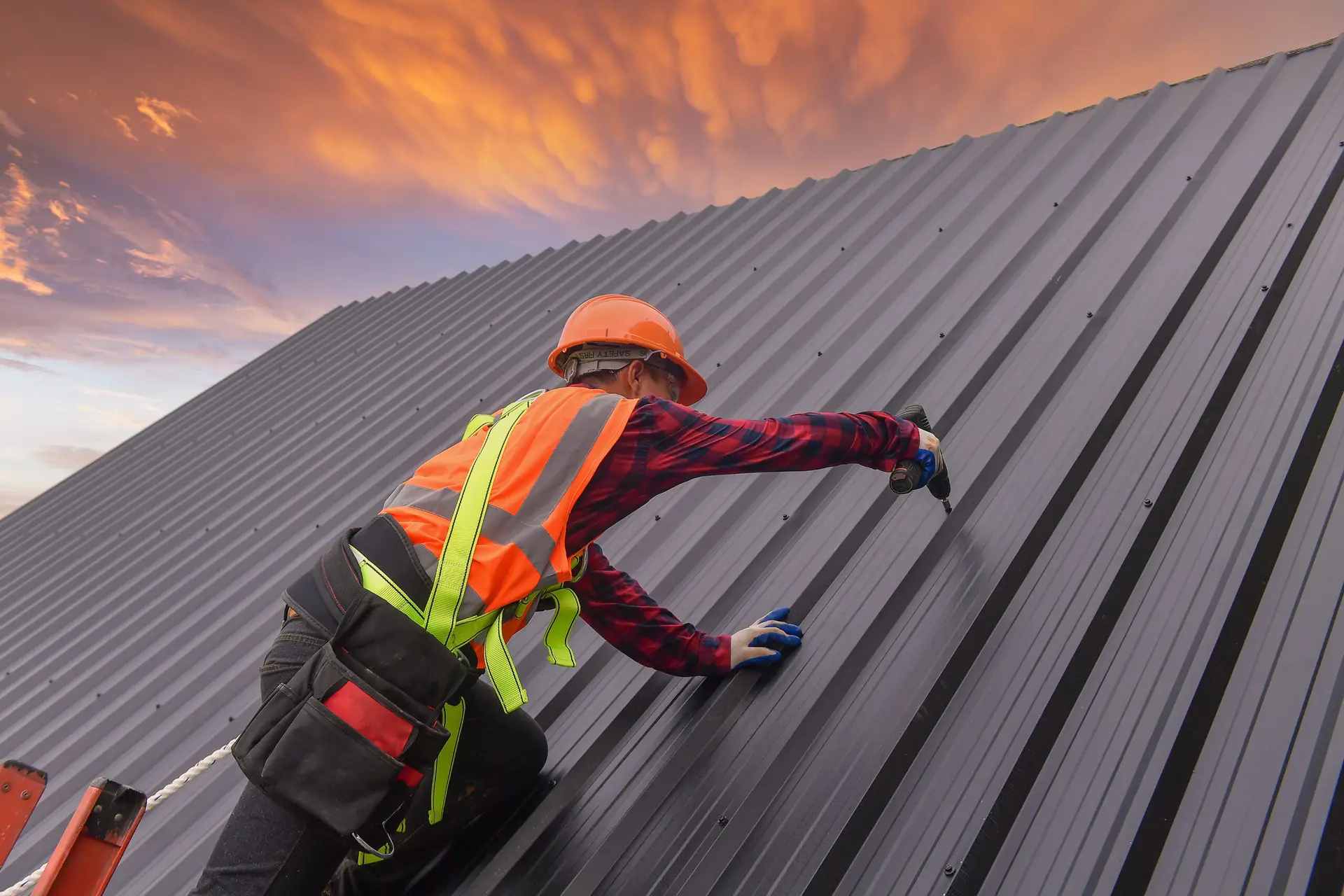
Roofing social media marketing is the strategic use of platforms like Facebook, Instagram, Nextdoor, and YouTube to build brand authority, generate replacement and repair leads, and position your roofing company as the trusted local contractor before a homeowner ever has a reason to call. It's one of the most misunderstood channels in contractor marketing — and one of the most powerful when built around the actual dynamics of how people buy roofing services.
Here's what makes roofing fundamentally different from every other home service trade: your customer doesn't think about you. Not once a year, not twice a season — the average homeowner thinks about their roof exactly zero times until either a storm forces the issue or the system fails after 15 to 25 years of service. That complete absence of pre-need awareness is the central challenge of roofing social media marketing, and it's the reason a strategy built for HVAC or plumbing doesn't translate.
But that same dynamic creates a unique opportunity. Because roofing is a low-frequency, high-ticket purchase triggered almost entirely by an external event — a hail storm, wind damage, an insurance claim, or a failed inspection — roofing social media marketing operates on a trust accumulation model rather than a demand capture model. The roofing company that has been consistently visible in a homeowner's feed for the 18 months before a storm hits will get the call. The company that posts sporadically will not.
At SEO For Home Service, we build social media marketing for roofing companies that understands this dynamic from the ground up. We work exclusively with home service contractors — and roofing is one of the trades where the gap between generic social media management and genuine trade expertise produces the most dramatic difference in results. This page explains why, and what a real roofing digital marketing strategy built around social media actually looks like when it's done right.
The Trust Crisis That Makes Roofing Social Media Marketing More Important Than Any Other Channel
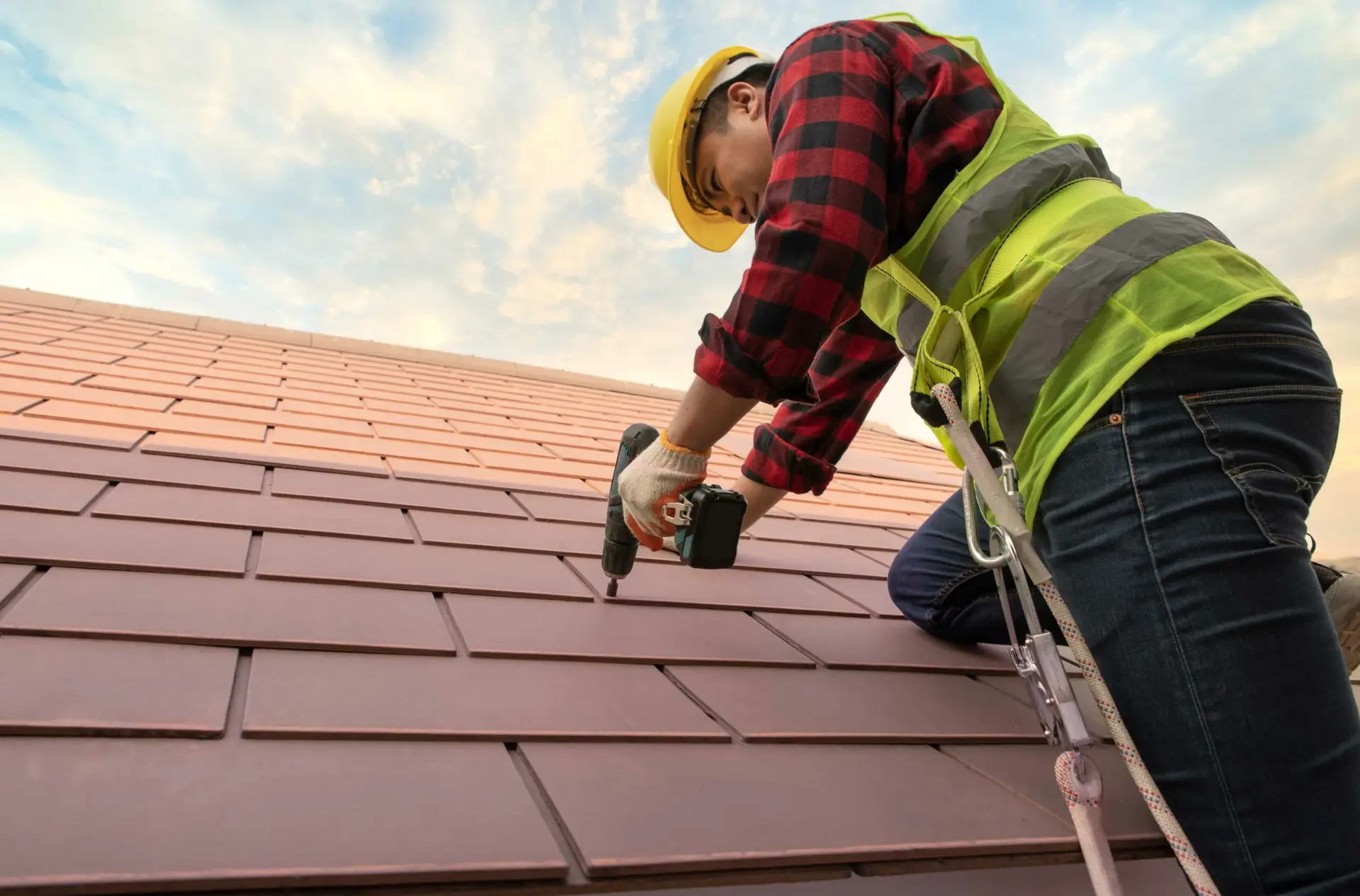
Roofing has a trust problem that no other home service trade faces at the same scale. Storm chasers. Insurance fraud. Fly-by-night crews. Unlicensed contractors who show up after a hail event, collect a deposit, do substandard work, and disappear before the warranty means anything. The roofing industry has been burned badly enough by bad actors that homeowners approach every contractor with a baseline level of suspicion that no HVAC tech or plumber ever has to overcome. This is the environment in which roofing social media marketing has to operate — and why generic brand awareness content simply isn't enough.
This is the context in which social media marketing for roofing companies operates. A homeowner who just got hit by a hail storm isn't searching for "best roofer in [city]" with an open mind. They're searching while afraid of getting ripped off. They're calling whoever they already know — whoever their neighbor recommended, whoever they've seen working in their subdivision, whoever has been showing up in their Facebook feed for the past year looking legitimate, professional, and local.
Social media is the only marketing channel that can build that pre-need familiarity at scale. A Google ad can't do it — it only shows up after someone is already searching. An SEO ranking can't do it — it requires the homeowner to initiate the search. But roofing social media marketing reaches the homeowner in their feed, on their timeline, before the storm hits — and builds the recognition that turns into a phone call the day after it does.
The roofing companies that dominate their markets after storm events aren't the ones who scramble to run ads the day after a hail report. They're the ones whose names the neighborhood already knows — because those names have been showing up consistently on Facebook, in Nextdoor threads, and in their neighbors' recommendation posts for months before the storm ever arrived.
That's not luck. That's roofing social media marketing built around the actual purchase psychology of a homeowner who's never thought about roofing until the day their ceiling shows a water stain. And it's exactly what we build.
The Storm Response Window — The Most Valuable 72 Hours in Roofing Social Media Marketing
No other home service trade has anything like this. When a significant weather event hits your market, the social media strategy your company runs in the 72 hours before, during, and after it will determine whether you book 20 jobs or zero. Here's how it breaks down.
Pre-Storm Positioning
- Storm forecast content ("Hail risk in [city] this week — here's what you need to know")
- Roof inspection offer content pinned to profile
- Insurance claim process education posts
- Credential and license verification content
- Team introduction posts building name recognition
Immediate Response
- Active job site photos from storm-affected neighborhoods
- "We're in [neighborhood]" location posts with before/after damage
- Emergency tarping availability announcements
- Insurance claim walkthrough content (what to document, who to call)
- Storm chaser warning posts establishing your local credibility
Lead Capture Window
- Neighborhood-specific inspection offer posts
- Facebook and Instagram paid campaigns targeting storm-affected ZIP codes
- Nextdoor posts in affected neighborhoods with current crew availability
- Real-time job completion posts as replacements are booked and started
- Homeowner FAQs about insurance timelines and material lead times
Trust Consolidation
- Completed replacement case studies from storm jobs
- Customer testimonial content from storm victims you helped
- Insurance claim success stories (supplement approvals, full replacements)
- Community involvement content — helping neighbors who couldn't afford deductibles
- Warning content about delayed-damage claims homeowners may not know to file
The Right Platforms for Social Media Marketing for Roofing Companies
Roofing is one of the most visually compelling trades in home service — and that changes which platforms matter in social media marketing for roofing companies and how you use each one. Here's the honest breakdown.
Facebook is the highest-leverage platform for roofing social media marketing for two reasons that have nothing to do with organic reach. First, the homeowner demographic — 35 to 65, owns a home, has lived there long enough to have an aging roof — is Facebook's exact user base. Second, Facebook's geographic and demographic targeting lets you run paid campaigns directly to homeowners in specific ZIP codes with specific home ages. After a storm, that combination is worth more than any other marketing channel at any price. Facebook is also the platform where homeowners share storm photos, ask neighbors for contractor recommendations, and post about insurance claim experiences — all of which are monitoring and engagement opportunities for a roofing company with an active social presence.
Roofing is visually striking in ways that most contractors don't leverage. A drone shot of a completed architectural shingle replacement on a complex hip roof. A before-and-after sequence of a hail-damaged cedar shake to dimensional shingle conversion. A time-lapse of a full tear-off and replacement completed in a single day. Instagram is where roofer social media marketing earns credibility through craftsmanship — where the quality of your work becomes visible proof that converts skeptical homeowners who've been burned by shoddy contractors before. Reels showing actual installation work and real damage assessments also drive organic reach that Facebook posts no longer generate.
Nextdoor
Nextdoor is the single most underutilized platform in roofing social media marketing. Every week in every neighborhood you serve, homeowners are asking "who did your roof?" and "did anyone get hit by that storm last Tuesday?" These conversations are happening whether you're present or not. A roofing company with an active Nextdoor business profile that shows up in those conversations — with reviews, completed job history, and neighborhood-specific recommendations — is nearly impossible to displace once they've built that presence. The contractor whose name gets typed by three neighbors in response to a "who do I call?" post wins the job before a single ad is served.
YouTube
YouTube rewards roofing content more generously than almost any other home service trade. Homeowners watching "how to read a hail damage report," "what insurance adjusters look for on a roof inspection," or "architectural vs. impact-resistant shingles — what's actually worth it" are in the exact pre-decision research phase where trust is built. Videos that answer the questions homeowners Google at 10pm before they call anyone establish your company as the authority before the first phone call happens. YouTube content also embeds naturally into your website's service pages, adding dwell time that roofing SEO rewards with higher organic rankings.
TikTok & Reels
Short-form video has made roofing one of the most viral trades on social media — and most roofing companies have no idea this is happening. Drone footage of storm damage and repairs spreads organically because it's genuinely shocking to homeowners who've never seen what hail actually does to shingles from above. A video showing a roofing crew finding hidden structural damage under a 20-year-old roof gets shared because it's information homeowners didn't know they needed. This is where roofing company social media marketing reaches people who aren't searching for a contractor and have no immediate need — exactly the pre-need audience that name recognition in storm season is built from.
For roofing companies with a commercial division, LinkedIn is the platform where social media marketing for roofing contractors shifts into a B2B channel. Property managers, HOA boards, commercial real estate owners, facility directors — these decision-makers are on LinkedIn, and a roofing company that publishes content around commercial roof maintenance programs, TPO vs. EPDM cost comparisons, and preventive inspection ROI for building owners is building relationships that turn into multi-year service agreements worth far more than any residential replacement job. Even residential roofers benefit from LinkedIn visibility with real estate agents, home inspectors, and insurance agents who refer clients daily.
The Content That Actually Drives Calls from Roofing Social Media Marketing
Roofing has better raw content material than almost any home service trade. The problem is that 95% of roofing companies are sitting on that material and posting generic tips instead. Here's the content that actually makes roofing social media marketing drive calls.
Storm Damage Documentation
The single most powerful content category in roofing social media marketing is real storm damage documented from real roofs in real neighborhoods. Not stock photos of cracked shingles — actual photos and video from inspections your crews ran this week, in subdivisions your audience can recognize. A photo of granule loss on a 12-year-old roof in a specific neighborhood, posted with a caption explaining what that means for the homeowner's insurance claim timeline, reaches every neighbor on Facebook who lives three streets over and hasn't had their roof inspected since the same storm. This is hyper-local, immediately relevant content that no generic agency can replicate without being on your trucks.
- Inspection photos with educational captions about damage types
- Neighborhood-tagged posts showing where active storm damage exists
- Side-by-side comparisons of impact vs. non-impact damage
- Drone footage of damage patterns across affected areas
Hits every homeowner in the same storm path who hasn't called anyone yet. Positions you as the authority already working in their neighborhood before they make a single inquiry.
Insurance Claim Education Content
The insurance claim process is the single biggest source of anxiety for homeowners navigating a roofing replacement — and almost nobody is creating content that genuinely educates them through it. Most homeowners don't know the difference between ACV and RCV policies. They don't know that a supplement can be filed after the initial adjustment. They don't know that choosing a contractor before their adjuster visits can affect their claim outcome. A roofing company that creates clear, honest content explaining these dynamics builds a level of trust that no amount of advertising can buy — because they're helping the homeowner before any transaction has taken place. In roofing social media marketing, this content category generates more inbound calls per post than any other type.
- "What to expect when your adjuster comes out" walkthrough content
- ACV vs. RCV policy explainers in plain language
- Supplement filing education — what it is and when it applies
- "Questions to ask before signing anything" homeowner guides
The homeowner who learned the insurance process from your roofing social media marketing content calls you to help them navigate it. You've already earned the relationship before the first conversation happens.
Craftsmanship Proof Content
Every roofing company says they do quality work. Almost none of them show what quality work actually looks like in a way homeowners can evaluate. There is a vast difference in roofing social media marketing impact between a finished roof photo and a photo showing properly installed ice and water shield at every valley, a drip edge installed before underlayment at the eaves and after at the rakes, and a starter course with the correct offset. Most homeowners can't read those details — but when a contractor explains what they're looking at and why it matters, that explanation is the most powerful trust signal available. It communicates that your crews care about what happens under the shingles, not just what's visible from the street.
- Installation detail content explaining the work that's never seen after completion
- Material quality comparisons between entry-level and premium shingle lines
- "What your last roofer probably skipped" educational content
- Time-lapse full replacement content showing crew size, speed, and clean site
Differentiates you from every storm chaser and cut-rate competitor in a way that price never can. Homeowners who understand quality pay for it.
Storm Chaser Warning Content
After every significant storm event, out-of-state contractors flood local markets, knock on doors, collect deposits, and either disappear or install substandard work that fails within 18 months. Homeowners know this is happening but don't always know how to protect themselves. A roofing company that posts content explaining what to look for — contractors without local addresses, no verifiable license numbers, payment demands before insurance approval, unusually low bids — is simultaneously educating the homeowner and positioning itself as the legitimate alternative. This content is shared aggressively on Nextdoor and Facebook because neighbors want to protect each other. In roofing social media marketing, storm chaser warning content generates some of the highest organic reach of any post type during and after weather events.
- "How to verify your roofer's license before signing anything" posts
- Red flag checklist content shared ahead of storm season
- Real local stories (without naming names) of homeowners burned by fly-by-nights
- Your own credentials, local history, and warranty terms posted transparently
In roofing social media marketing, storm chaser warning content generates some of the highest organic reach of any post type. You become the trusted local authority warning homeowners about the exact threat they're afraid of. When they call someone they trust, they call you.
Before & After Replacement Content
Before-and-after content is table stakes in roofing social media marketing — but the version most companies post is far weaker than it could be. A photo of an old 3-tab roof and a new architectural shingle replacement is fine. A photo sequence showing the old roof, the structural damage found underneath during tear-off, the corrected decking, the new underlayment system, and the finished product tells a story that justifies the investment, explains why the price was what it was, and demonstrates a level of care that generic before/after posts never communicate. Add a homeowner quote about the claims process and you have a post that addresses every objection a prospective customer has before they even ask.
- Full replacement sequence content (damage → tear-off → deck → install → finish)
- Material upgrade case studies showing aesthetic and performance improvements
- Structural repair discoveries — the hidden damage worth showing
- Homeowner testimonial integration at the end of replacement stories
Tells the complete story of a roofing job in a format that converts skeptical homeowners — and it's the content type in roofing social media marketing that most reliably closes the gap between awareness and signed contract.
Longevity & Maintenance Content
The 15 to 25-year replacement cycle means most homeowners with aging roofs are somewhere in the slow-decline phase — the system isn't failing yet, but it's losing years faster than they realize. This is where roofing social media marketing compounds over time: content that helps homeowners identify where their roof is in its lifecycle creates immediate relevance for an audience that wouldn't otherwise think about their roof until a leak appears. Every homeowner who learns from your content and files it away mentally is a lead you've already warmed when their replacement decision becomes urgent.
- "How to tell if your roof has 2 years left or 10" educational content
- Granule loss, moss growth, and ridge compression explainers
- Annual inspection reminder content with inspection offer attached
- Cost comparison: repair vs. replace at different roof ages
In roofing social media marketing, this is the long-game content category — it plants your name months before the homeowner is ready to buy.
What Real Roofing Social Media Marketing Reports Look Like
Generic agencies report on metrics that feel good but have no connection to your revenue. Here's the difference between what you're probably getting now and what real roofing social media marketing reporting looks like.
Impressions, Reach, and Followers
"Great month! Your posts reached 3,400 people, you gained 22 new followers, and your engagement rate was up 8% from last month. Here's a branded graphic with a roofing tip."
Calls, Inspections, and Revenue
"Your post-storm content in the Lakewood subdivision generated 14 inspection requests in 6 days. 9 converted to signed contracts — 6 full replacements averaging $14,200 and 3 repairs. Your Nextdoor profile is now the top recommended roofer in 4 neighborhoods that were hit by the April 18th storm. Facebook paid campaign targeting ZIP codes in the storm path produced 31 leads at $42 per lead."
How Roofing Social Media Marketing Fits Into Your Full Digital Strategy
Roofing social media marketing doesn't operate in isolation. It plugs into every other digital channel you're running — and when it does, the compounding effect is measurable.
Your roofing SEO strategy captures homeowners actively searching after the event. Your roofing lead generation campaigns capture those ready to move immediately. But social media marketing for roofing reaches the homeowners who aren't searching yet — the ones whose storm hit two weeks ago and who are still deciding whether to file a claim, still nervous about getting ripped off, still watching what their neighbors do before they pick up the phone. That pre-decision audience is where the highest-margin replacement jobs come from, and it's an audience only social media can reach cost-effectively.
The retargeting loop is where the real efficiency lives. A homeowner who saw your Facebook educational post about storm damage documentation, then visited your website looking for inspection information, then saw your Instagram content showing completed replacements in their neighborhood — that homeowner doesn't need to be convinced when they finally call. They already know your name, they've already seen your work, and they've already decided you're the legitimate contractor. The sale was made before the first conversation.
Social content also feeds your roofing digital marketing ecosystem in ways that most contractors don't track. YouTube videos rank on Google and drive organic traffic. Facebook posts generate referral traffic to your website. Nextdoor recommendations generate branded searches that improve your Google Business Profile authority. Every piece of social content you create is doing double duty across channels — and every channel gets stronger when social is consistently active.
What's Included in Our Roofing Social Media Marketing Services
Every deliverable in our roofing social media marketing services is built around the actual dynamics of roofing — storm seasons, insurance timelines, replacement cycles, and the trust gap that makes credibility content more valuable in this trade than in any other.
Storm Season Infrastructure & Market Analysis
Before we post anything, we build the storm response infrastructure: content templates, post libraries, paid campaign frameworks, and Nextdoor positioning — all ready to deploy the moment a weather event hits your market. We also analyze your specific geography, your local storm history, your competition's social presence, and the neighborhoods where your most valuable replacement jobs originate. Effective roofing social media marketing in tornado alley runs differently than in a coastal hail market or a Pacific Northwest moss-and-moisture market. Your strategy reflects your actual environment.
Trade-Specific Content Written by People Who Know Roofing
Not a virtual assistant copying posts from a roofing blog. Every piece of content is written with genuine knowledge of roofing — damage types, material grades, installation standards, insurance claim mechanics, and the homeowner psychology specific to a high-ticket, low-frequency purchase. We create storm damage posts, insurance education content, craftsmanship proof content, and longevity content that proves expertise before a homeowner ever calls your number.
Multi-Platform Publishing & Real-Time Storm Response
We manage your Facebook, Instagram, Nextdoor, and where applicable, YouTube and TikTok — maintaining a consistent posting cadence across every platform. More importantly, we monitor weather events in your service area and activate the storm response protocol when conditions warrant. That means your roofing social media marketing content goes live within hours of a significant event, not days later after the window has closed and storm chasers have already knocked on every door in the affected subdivision.
Facebook & Instagram Storm Event Campaigns
Organic social builds your long-term market position. Paid campaigns capture the immediate post-storm opportunity. Facebook and Instagram ads targeted to homeowners in storm-affected ZIP codes — with inspection offers, insurance claim assistance content, and credibility proof — are available as an add-on to any package. Every campaign is tied to inspection bookings and signed contracts, not impressions or reach metrics.
Nextdoor & Social Engagement Monitoring
We monitor Nextdoor conversations in your service area for contractor recommendation requests, storm damage discussions, and insurance claim questions — and we position your brand in those conversations in ways that generate referrals without looking like advertising. Every comment, DM, and review response is handled in your brand voice. Effective roofing social media marketing lives and dies on what happens in these neighborhood threads after a storm, and we make sure you're the name that comes up.
Revenue-Tied Monthly Reporting
Every month you get a report that connects your roofing social media marketing activity to business outcomes: inspection requests, signed contracts, storm response campaign performance, Nextdoor recommendation volume, and which content types are generating the most inbound activity. We don't report on followers and impressions. We report on the metrics that determine whether your investment is producing real roofing revenue.
Why Roofing Contractors Choose SEO For Home Service for Roofing Social Media Marketing
We Only Work With Home Service Contractors
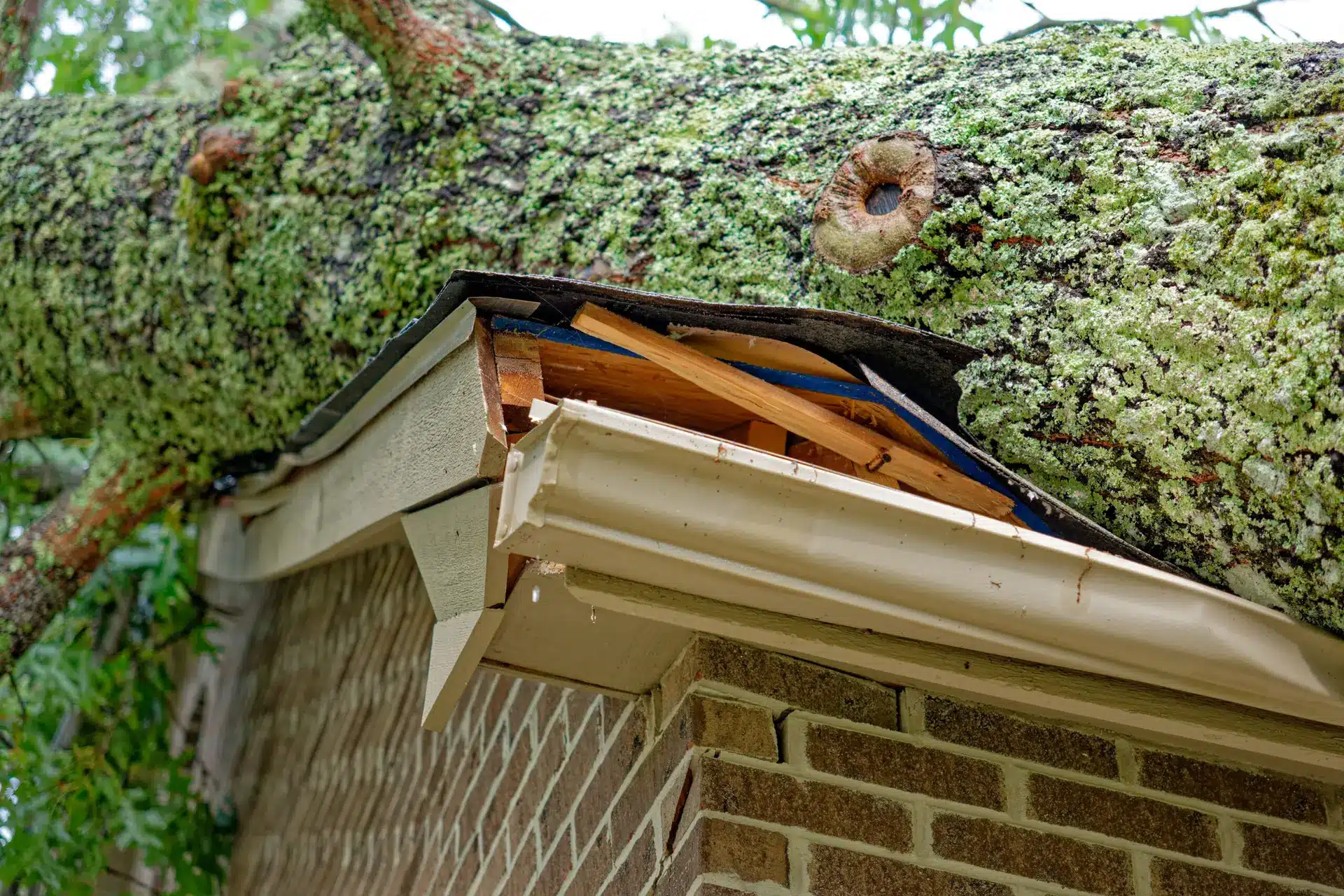
The agency managing your roofing social media marketing should know the difference between granule loss and algae growth before they write a caption. They should understand that the 48 hours after a hail event are worth more in roofing revenue than the entire preceding quarter — and that missing that window because your content infrastructure isn't ready is a mistake that can't be undone after the fact. They should know that a homeowner who's had a bad experience with a storm chaser is a fundamentally different sales conversation than a homeowner calling about a routine aging replacement — and that your social content needs to speak to both.
At SEO For Home Service, we work exclusively with home service contractors. We build roofing social media marketing strategies for companies running roofing SEO, plumbing, HVAC, electrical, and pest control operations. Roofing social media marketing isn't a vertical we serve occasionally — it's a strategy we've built, tested, and refined across markets from hail-heavy plains states to hurricane-season Gulf Coast metros to high-volume Pacific Northwest replacement markets.
15+ Years in Home Service Marketing
We've spent 15 years running roofing social media marketing programs and broader digital strategies across every home service trade. We know which content types generate inspection calls versus which ones build slow-burn brand equity. We know how storm response timing affects conversion rates. And we build every campaign around that knowledge from day one — not from a generic social media playbook.
ZIP Code Exclusivity — We Don't Work With Your Competitor
When we take on your roofing company, your direct competitor cannot hire us for roofing social media marketing in the same ZIP codes. Your storm response strategy, your content library, your Nextdoor positioning — it all stays yours. One roofing contractor per territory. Read our full ZIP code exclusivity promise.
No Long-Term Contracts
Month-to-month after onboarding. We earn your business every month with transparent reporting tied to inspections booked, contracts signed, and storm season revenue generated. Learn more about us and how we operate.
Roofing Social Media Marketing Pricing
Three tiers built around where your roofing company is today and how aggressively you want to own your market — especially through storm season. Our roofing social media marketing packages are published with full transparency on our social media pricing page.
ZIP Code Exclusivity on Every Plan — We Never Work With Your Competitors
- Posts & Platforms
- 8 posts/month (2/week)
- 1 platform — Facebook or Instagram
- Content
- Branded graphics + roofing photography
- Caption copywriting — trade-specific, your market
- Hashtag strategy
- Extras
- GBP posts: not included
- Review request posts: not included
- Monthly performance report
- Email support
- Posts & Platforms
- 16 posts/month (4/week)
- 2 platforms — Facebook + Instagram
- Content
- Custom branded graphics + seasonal/storm content
- Caption copywriting — trade-specific, your market
- Hashtag strategy
- Extras
- 4 GBP posts/mo (supplements SEO package)
- 2 review request posts/month
- Monthly report + strategy notes
- Dedicated account manager
- Posts & Platforms
- 24 posts/month (6/week)
- 3 platforms — Facebook, Instagram + TikTok or YouTube Shorts
- Content
- Custom graphics + short-form video scripts (2/mo)
- Caption copywriting — trade-specific, your market
- Hashtag strategy
- Extras
- 8 GBP posts/mo (supplements SEO package)
- 3 review request posts/month
- Reputation monitoring + response templates
- Bi-weekly report + strategy call
- Dedicated account manager + bi-weekly strategy call
Roofing Social Media Marketing Works Best Alongside SEO
Social media builds the pre-need trust. Roofing SEO captures the homeowner actively searching after the storm. When both are running, you're present at every stage of the decision — from the homeowner who doesn't know they have damage yet to the one who's already typed "roofing contractor near me" into their phone. That's full-funnel market ownership, and it's what separates dominant roofing companies from everyone else competing for the same storm events.
All packages: Month-to-month. ZIP code exclusivity included on every plan. Full pricing details →
The Next Storm Hits Your Market Whether You're Ready or Not
The roofing company that dominates your market after the next hail event isn't the one that scrambles to post photos the morning after. It's the one that spent the previous six months building Nextdoor presence in affected neighborhoods, growing a Facebook audience in storm-path ZIP codes, and pre-loading roofing social media marketing content templates ready to deploy within hours of a weather event. That infrastructure is being built right now by your competitors. Every month you wait is another month they're ahead of you when the storm arrives.
In the neighborhoods you want to work, homeowners are already asking "who's the best roofer in [subdivision]?" on Nextdoor. The companies getting recommended are the ones that have been active, visible, and present in those community conversations long enough for their name to be the one neighbors think of first. Nextdoor authority is accumulated over months, and the contractor who builds it first in a neighborhood effectively owns that neighborhood's referral network for years. Someone is building that position in your market right now.
Out-of-state storm chasing operations have social media playbooks. They run paid Facebook campaigns into hail-affected markets within 24 hours of a weather event. They flood Nextdoor with fake local profiles. They have professional content operations designed specifically to look like legitimate local contractors. The defense against this is a roofing social media marketing presence that's already established, already trusted, and already known in your market before any storm chaser shows up. The homeowner who already knows your name doesn't click on a competitor's ad.
Get Your Free Roofing Social Media Marketing Strategy Session
We'll review your current roofing social media marketing presence, audit your storm season readiness, and show you exactly what it would take to own your market when the next weather event hits.
Your free roofing social media marketing strategy session includes:
Prefer to talk now?
(813) 997-8459Roofing Social Media Marketing: FAQs
Does roofing social media marketing actually generate leads?
Yes — but the mechanism is different from what most roofing contractors expect. Roofing social media marketing is primarily a trust accumulation and pre-need positioning channel, not a same-day lead generation channel. It builds the brand familiarity that makes homeowners call you after a storm instead of the storm chaser who just knocked on their door. It also generates direct inspection requests through paid campaigns targeting storm-affected areas, and inbound calls through Nextdoor recommendations in neighborhoods where you've built a consistent presence. The companies generating the highest ROI from roofing social media marketing are the ones who invested in the infrastructure before storm season — not the ones who scrambled after the event.
Which platform is most important for roofing social media marketing?
Facebook first, Nextdoor second, Instagram third — for residential roofing. Facebook has the homeowner demographic and the geographic targeting capabilities that make post-storm paid campaigns immediately effective. Nextdoor has the highest-intent leads of any platform because the homeowners asking for contractor recommendations have an active, immediate need. Instagram builds the visual credibility that converts skeptical homeowners researching contractors. YouTube is the highest long-term ROI platform for companies willing to invest in video around insurance claims, damage documentation, and material selection. For commercial roofing, LinkedIn becomes a primary channel for reaching property managers and facility directors. Social media marketing for roofing contractors looks different on each platform — and your strategy should reflect that.
What makes roofing social media marketing different from other trades?
Three things that no other home service trade shares in the same way: the storm response window, the insurance claim lifecycle, and the 15 to 25-year replacement cycle. The storm response window is the 48 to 72 hours post-weather event where the entire replacement revenue for a major storm can be captured or missed entirely — and roofing social media marketing is the fastest way to position your company in affected neighborhoods during that window. The insurance claim lifecycle means your content strategy needs to educate homeowners through a complex process they've never navigated before. And the replacement cycle means building brand equity over years, not weeks.
How do I use social media to win more jobs after a storm?
The companies that win post-storm revenue on social media have three things built before the storm: a local audience in the affected ZIP codes, a content library ready to deploy within hours of an event, and a paid campaign framework that can be activated immediately. In practice that means maintaining an active Facebook presence in your service area year-round so you have an audience to reach when the storm hits, having storm damage documentation content templates pre-written so you're posting real jobs within 24 hours of the event, and having Nextdoor presence established in the neighborhoods most likely to be affected by the storm patterns in your market. Our roofing social media marketing packages include storm season infrastructure as a core deliverable, not an afterthought.
Should I run paid social ads for my roofing company?
Yes — specifically post-storm and for inspection offer campaigns. Facebook and Instagram ads targeted to homeowners in storm-affected ZIP codes are the fastest way to capture replacement volume in the immediate post-event window. Organic roofing social media marketing builds your long-term position. Paid campaigns capture the near-term opportunity. The two work together: homeowners who've seen your organic content are significantly more likely to respond to your paid campaigns than cold audiences who've never encountered your brand. Paid social is available as an add-on to any of our packages.
How long before roofing social media marketing produces results?
Brand building results — Nextdoor positioning, Facebook audience growth, local recognition — develop over 3 to 6 months of consistent activity. Paid campaign results from storm response can be immediate — inspection requests within 24 to 48 hours of campaign launch following a weather event. The most honest answer is that the results of roofing social media marketing are highly correlated with weather events in your market. A roofing company in a high-storm-frequency market will see faster and more dramatic revenue results than one in a low-storm market. In both cases, the brand equity and trust accumulation produced by consistent social media activity compounds over time and makes every marketing channel you run more effective.
How much does roofing social media marketing cost?
Our roofing social media marketing services start at $299/month for the Starter package and scale to $899/month for the Domination package — full multi-platform management with video content, reputation monitoring, and bi-weekly strategy calls. Most growing roofing companies choose our Growth package at $549/month. Full pricing details →
Will you work with my roofing competitor?
No. ZIP code exclusivity applies to all of our services, including roofing social media marketing. When we take on your roofing company in your territory, your direct competitors cannot hire us for the same ZIP codes. Your storm response strategy, your content library, and your audience are entirely yours.
How do I get started?
Call (813) 997-8459 or request your free roofing social media marketing strategy session using the form above. We'll review your current social presence, assess your storm season readiness, analyze your local competitors, and build a content plan specific to your market, your storm history, and your revenue goals. No obligation, no hard sell.